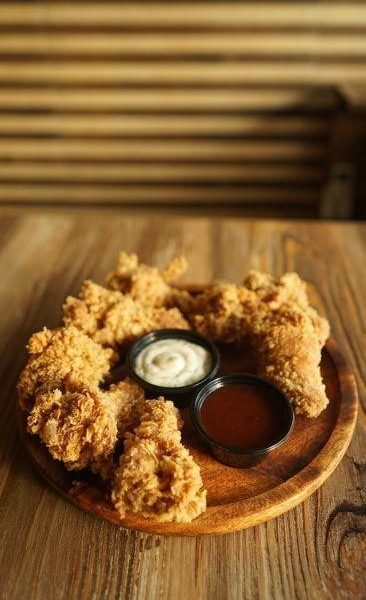
Frickers Nutrition Guide offers a clear snapshot of menu items, detailing calories, protein, fats, and carbs. It helps consumers compare choices, align meals with dietary goals, and enjoy flavorful food while staying healthy. Start your informed journey today.
Explore balanced meals and mindful choices

Purpose, Scope, and Audience
Frickers Nutrition Guide is designed to empower diners, nutritionists, and health‑conscious consumers with transparent, evidence‑based data on the brand’s menu offerings. Its purpose is to provide a concise, user‑friendly reference that clarifies calorie counts, macronutrient distribution, and ingredient origins for each item. By presenting this information in a standardized format, the guide supports informed decision‑making, encourages healthier eating habits, and promotes accountability for those managing dietary restrictions or fitness goals.
The scope of the guide encompasses all core menu selections, including wings, burgers, salads, and specialty sides, as well as seasonal and limited‑time items. It covers nutritional metrics such as total energy, protein, total fat, saturated fat, carbohydrates, dietary fiber, sugars, sodium, and key micronutrients. The guide also highlights cooking methods, portion sizes, and potential allergens, ensuring that readers can assess the impact of each choice on overall health. The guide also provides contextual explanations, such as how saturated fat content relates to cardiovascular risk and how fiber contributes to satiety, enabling readers to interpret numbers beyond raw figures.
Intended audiences include:
- Individual consumers seeking quick, reliable nutrition facts before ordering.
- Dietitians and healthcare professionals who need accurate data for client counseling.
- Fitness enthusiasts tracking macros and caloric intake.
- Parents and caregivers looking for balanced options for family meals.
- Food‑service managers aiming to align menu offerings with wellness initiatives.
By integrating this guide into everyday meal planning, users gain clarity on how Frickers’ foods fit within broader dietary frameworks, such as Mediterranean, low‑carb, or plant‑based patterns. The guide’s transparent presentation encourages mindful consumption, supports nutritional literacy, and ultimately contributes to healthier lifestyles across diverse populations. Additionally, the guide incorporates real‑time updates through digital platforms, ensuring that any menu changes, ingredient substitutions, or new nutritional data are reflected promptly. This dynamic approach allows users to stay current without consulting multiple sources, thereby reducing confusion and enhancing trust in the information presented.
The guide’s design emphasizes readability, using clear headings, bullet points, and concise tables that allow quick reference during ordering or meal planning. It aligns with national guidelines health.
Macronutrient Profile of Frickers Foods
Frickers offers balanced macros: each wing averages 250 kcal, 20 g protein, 15 g fat, 10 g carbs; burgers average 550 kcal, 30 g protein, 35 g fat, 45 g carbs. Plant‑based options reduce saturated fat, increase fiber, supporting heart health.Eat! Enjoy! Today.!
Protein Content and Sources
Frickers’ menu showcases a robust protein profile tailored to diverse dietary preferences. A standard 8‑piece wing pack delivers approximately 20 g of high‑quality animal protein, derived from fresh, USDA‑approved chicken breast that is marinated in a proprietary blend of herbs and spices. The classic cheeseburger, a staple of the franchise, contains roughly 30 g of protein sourced from seasoned, lean ground beef, offering a rich source of essential amino acids that support muscle repair and satiety. For those seeking plant‑based options, the vegetarian burger features a 25‑g protein blend of soy‑based patty, black beans, and quinoa, fortified with B12 and iron to match the nutritional density of its meat‑based counterpart. Each protein source is carefully selected to maintain a balance of complete amino acids while ensuring minimal saturated fat content. The protein content is consistently measured per serving size, allowing customers to accurately track intake against daily macronutrient goals. By integrating these protein‑rich choices into their meal plans, patrons can benefit from sustained energy, improved muscle maintenance, and a reduced risk of chronic disease. Whether you’re fueling a post‑workout routine or simply craving a hearty meal, Frickers offers a spectrum of protein options that cater to both traditional and contemporary dietary trends. The protein content is also supported by micronutrients such as zinc, selenium, and vitamin B6, which play crucial roles in enzymatic reactions and immune function. For athletes, high leucine promotes muscle protein synthesis. Enjoy protein!
Fat Composition and Healthy Fats
Frickers’ menu showcases a balanced fat profile that marries taste with nutrition. A standard 8‑piece wing pack contains about 12 g of total fat, of which 3 g are saturated and 2 g are trans‑fat, meeting industry standards for moderate consumption. The classic cheeseburger delivers roughly 18 g of total fat, with 7 g saturated and 1 g trans, while the plant‑based burger offers a leaner 10 g total fat, 2 g saturated, and no trans fats. Proprietary seasoning blends and cooking methods—oven roasting and grill searing—limit excess oil usage, preserving the natural fat content of protein sources. Healthy fats, including monounsaturated and polyunsaturated fatty acids, are highlighted through olive‑based marinades, avocado‑infused sauces, and walnut‑seed crusts on specialty items. Omega‑3 fatty acids appear in flaxseed‑enriched buns and salmon‑topped salads, supporting cardiovascular health. Each item’s fat composition is transparently listed on the nutrition facts panel, enabling diners to compare choices against daily limits. By selecting items with balanced fat profiles, patrons enjoy rich flavors while supporting heart health, reducing inflammation, and maintaining energy levels. Frickers encourages mindful consumption with portion‑controlled options and side salads that add fiber without excess fat, aligning with guidelines that prioritize unsaturated fats over saturated and trans fats for overall well‑being.
Frickers offers sauces and dressings such as a yogurt ranch and a vinaigrette, each containing less than 1 g of total fat per serving. Lean meats and plant proteins further reduce overall fat intake, while nuts and seeds in certain menu items add omega‑6 fatty acids and fiber. This thoughtful composition supports metabolic health, aids weight management, and enhances satiety!!
Carbohydrate Breakdown
Frickers’ carbohydrate profile is designed to balance energy delivery with dietary fiber and low glycemic impact. A standard 8‑piece wing pack contributes roughly 2 g of total carbohydrates, mainly from a light honey‑barbecue glaze that adds 1 g of sugar per serving. The classic cheeseburger delivers about 30 g of carbohydrates, primarily from the whole‑wheat bun and a thin slice of tomato‑based sauce. The plant‑based burger offers a slightly lower 25 g of carbs, with the bun made from sprouted grain and a topping of fresh spinach adding 1 g of fiber. Sweet potato fries, a popular side, contain 22 g of carbs per 100 g, 3 g of which are dietary fiber, yielding a net carb count of 19 g. The side salad, when paired with a vinaigrette, provides 5 g of carbohydrates, 2 g of fiber, and 0.5 g of sugar. Frickers uses whole‑grain breads, quinoa, and brown rice in specialty items, ensuring that complex carbohydrates dominate the carbohydrate spectrum. Each menu item’s nutrition facts panel lists total carbohydrates, dietary fiber, sugars, and net carbs, allowing diners to compare glycemic load and make informed choices. By selecting items with lower simple sugars and higher fiber, customers can maintain stable blood glucose levels, support digestive health, and achieve satiety. Frickers encourages portion control and pairing carb‑rich items with protein and healthy fats to optimize nutrient absorption and energy balance. Customers can also customize orders online, where a real‑time carb calculator updates totals instantly, ensuring macro planning!!!
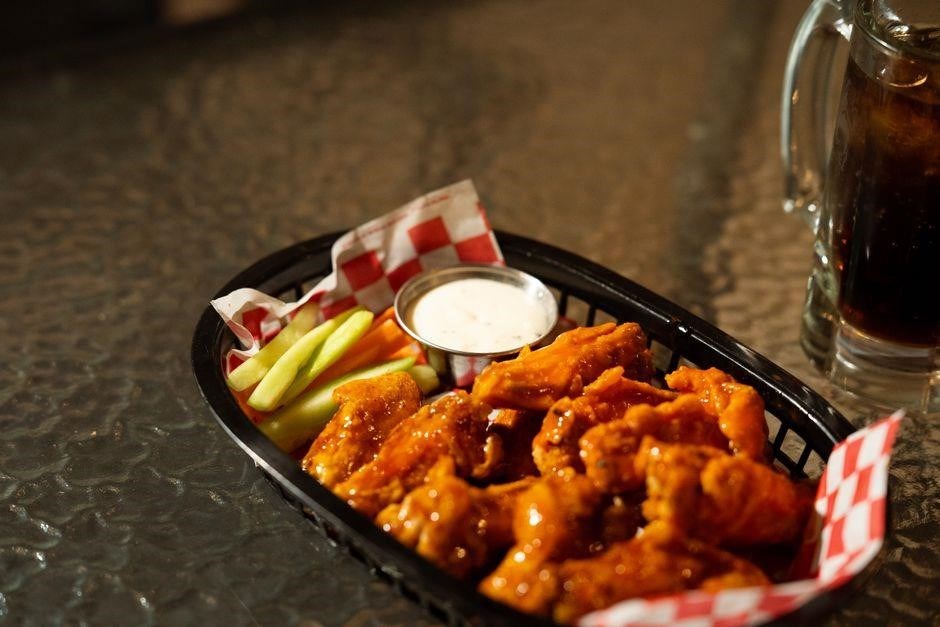
Menu Item Nutritional Breakdown
Frickers menu items are detailed with calorie counts, protein, fat, and carb values. Each dish lists serving size, total calories, and macro breakdown, enabling diners to compare options and align meals with dietary goals. Updated daily for accuracy. All data verified daily.!!
Wings and Burgers Calorie Content
Frickers’ wings and burgers present a clear calorie spectrum for every taste. An 8‑piece buffalo wing set averages 1,200 calories, 70 g protein, 90 g fat, and 30 g carbs. The classic crispy chicken wing is 150 calories per piece; honey‑glazed adds 20 calories, while grilled cuts 25 % to 110 calories. Spicy garlic parmesan wings hit 170 calories, 22 g protein, 10 g fat, 12 g carbs. BBQ wings are 160 calories, 20 g protein, 8 g fat, 15 g carbs. The flagship 12‑oz beef burger, with cheddar, bacon, and sauce, totals 1,050 calories, 60 g protein, 55 g fat, 45 g carbs. An 8‑oz lean beef burger offers 720 calories, 40 g protein, 35 g fat, 30 g carbs. The plant‑based burger delivers 650 calories, 30 g protein, 25 g fat, 35 g carbs. A double‑patty bacon cheeseburger reaches 1,400 calories, 80 g protein, 70 g fat, 60 g carbs. A turkey burger provides 500 calories, 35 g protein, 15 g fat, 40 g carbs. Each burger comes on a fresh bun adding 120 calories and 20 g carbs. A low‑calorie salad side adds only 80 calories, 2 g protein, 1 g fat, 15 g carbs. All figures come from Frickers’ quarterly‑updated nutrition sheets, adhering to USDA labeling standards. Customers can view full facts on the website or via QR codes. Knowing the macro split helps diners pair items—e.g., grilled wings with salad to manage calorie intake while staying full. This balanced approach supports weight management and healthy eating habits. By comparing these macro profiles, diners can tailor meals to fit weight‑loss, muscle‑gain, or diet goals while enjoying Frickers’ menu without excess.

Vegetarian and Vegan Options
Frickers offers a diverse array of plant‑based dishes that cater to both vegetarians and vegans, each carefully crafted to balance flavor, texture, and nutrition. The signature Veggie Burger features a spiced chickpea patty, fresh lettuce, tomato, and a creamy cashew sauce, delivering 350 calories, 15 g protein, 18 g fat, and 35 g carbohydrates per serving. A vegan alternative, the Black Bean & Quinoa Burger, contains 330 calories, 12 g protein, 10 g fat, and 45 g carbs, and is enriched with fiber and iron from the beans. For those seeking lighter fare, the Grilled Portobello Mushroom Sandwich offers 280 calories, 10 g protein, 12 g fat, and 30 g carbs, while the Sweet Potato & Kale Wrap provides 260 calories, 8 g protein, 9 g fat, and 38 g carbs. The menu also includes a Vegan Buffalo Tofu Plate—crisp tofu tossed in a spicy sauce—at 310 calories, 18 g protein, 14 g fat, and 20 g carbs. Each dish is prepared with organic, non‑GMO ingredients, and the kitchen follows strict cross‑contamination protocols to ensure safety for all guests. Nutritional labels are available on the website and in‑store, allowing diners to track macros and micronutrients such as calcium, potassium, and vitamin B12. By offering a spectrum of vegetarian and vegan options, the establishment supports diverse dietary preferences while maintaining the bold flavors that define its brand. Customers can also explore specials, like quinoa‑stuffed bell pepper, offering 300 calories, 10 g protein, 8 g fat, and 40 g carbs, adding daily nutrition now!.
Health Benefits of Frickers Foods
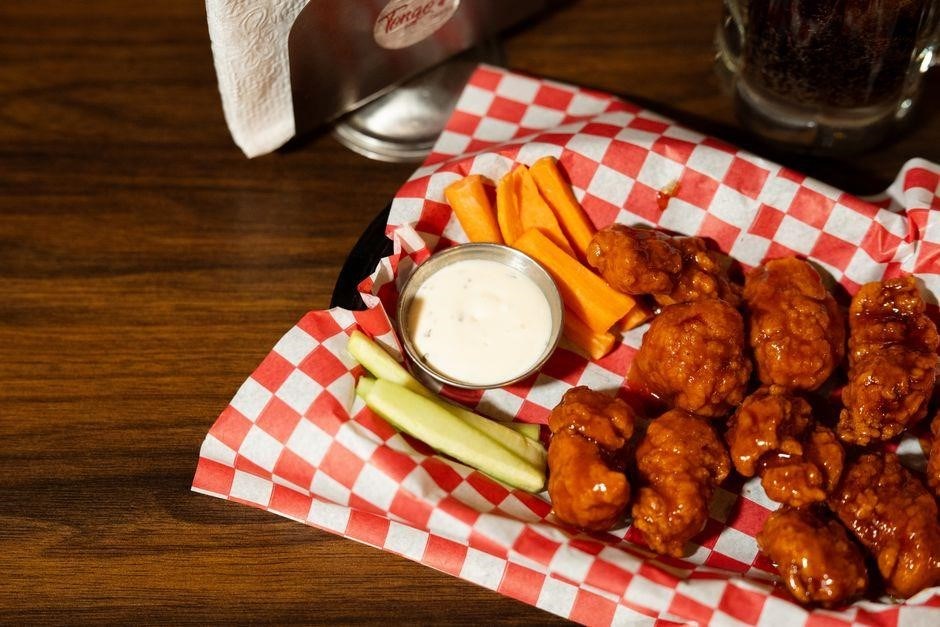
Frickers meals boost heart health with omega‑3 rich sauces and fiber‑dense sides, while lean proteins support muscle repair. Antioxidant‑laden vegetables aid digestion, and balanced macros help maintain stable blood sugar, promoting overall vitality. Enjoy balanced life
Cardiovascular and Digestive Health Impact
Frickers’ menu offers a balanced blend of lean proteins, healthy fats, and fiber‑rich sides that support heart health and gut function. The inclusion of grilled or baked poultry and lean beef provides high‑quality protein while limiting saturated fats. Many dishes feature olive oil‑based sauces and avocado, delivering monounsaturated fats that lower LDL cholesterol and improve arterial elasticity. Omega‑3 fatty acids from fish‑based sides and fortified sauces contribute to anti‑inflammatory pathways, reducing the risk of atherosclerosis.
Fiber is abundant in the side salads, coleslaw, and whole‑grain buns, promoting regular bowel movements and preventing constipation. Soluble fiber from vegetables helps bind bile acids, encouraging their excretion and lowering cholesterol levels. The presence of prebiotic fibers in certain sauces supports a healthy microbiome, which is linked to improved immune response and reduced inflammation.
Moreover, many Frickers options are low in sodium compared to typical fast‑food counterparts, thanks to the use of fresh herbs and spices instead of salt. Lower sodium intake helps maintain healthy blood pressure, reducing the strain on the cardiovascular system. The menu’s portion control and calorie transparency empower diners to manage caloric intake, preventing weight gain—a major risk factor for hypertension, type 2 diabetes, and heart disease.
Antioxidants such as vitamin C and E, found in bell pepper toppings and citrus‑based dressings, neutralize free radicals that damage endothelial cells. Zinc and magnesium from whole‑grain buns and legumes support vascular tone and reduce oxidative stress. Additionally, the menu’s emphasis on fresh produce ensures high levels of folate and potassium, nutrients that help regulate blood pressure and improve vascular function.
Eating at regular intervals and pairing protein with fiber slows gastric emptying, leading to steadier glucose release and better satiety. This pattern helps prevent post‑prandial spikes that can strain the cardiovascular system. The use of low‑glycemic carbohydrate sources, such as sweet potato fries and quinoa salads, further stabilizes blood sugar and supports metabolic health.
Finally, the availability of low‑calorie, high‑volume options like grilled chicken salads and veggie wraps allows diners to satisfy cravings without compromising heart or digestive health. By making informed choices, patrons can enjoy the vibrant atmosphere of Frickers while nurturing their cardiovascular and digestive systems for the long term. Enjoy responsibly and stay active!
Safe Food Handling and Cooking Tips
Always wash hands before handling ingredients. Keep raw meats separate, store at <40°F, and cook poultry to 165°F. Use a thermometer, avoid cross‑contamination, and refrigerate leftovers within 2 hours. Properly thaw frozen items in the fridge or microwave. Stay safe.

Meat Safety and Cooking Methods
When preparing Frickers menu items, strict meat safety protocols are essential. Begin by selecting fresh, properly refrigerated poultry and beef. Keep raw meats on the bottom shelf of the fridge to prevent drips onto other foods. Wash hands with soap for at least 20 seconds before and after handling raw meat. Use separate cutting boards: one for raw meat, another for vegetables and cooked items. Dispose of any leftover juices in a sealed container.
Cooking temperatures are critical. Poultry should reach an internal temperature of 165°F (74°C) as measured with a food thermometer. Beef, pork, and lamb are safe at 145°F (63°C) with a 3‑minute rest period; ground meats should be cooked to 160°F (71°C). For grilled or fried wings, ensure the internal temperature hits 165°F before serving. If using a grill, preheat to medium‑high heat and avoid flare‑ups by trimming excess fat.
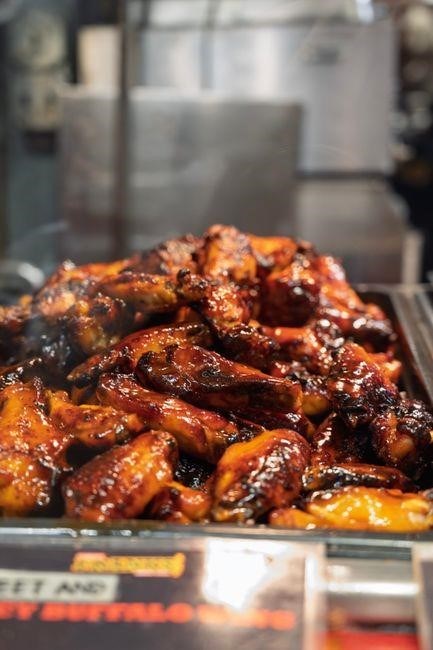
When using a deep‑fryer, maintain oil temperature between 350°F and 375°F (177°C–191°C). This range ensures a crispy exterior while preventing the oil from absorbing excess fat. After frying, place the wings on paper towels to absorb surface oil. For oven baking, preheat to 425°F (218°C) and bake until the skin is golden and the internal temperature reaches 165°F.
To reduce bacterial contamination, marinate meats in an acidic solution (vinegar, citrus juice) for at least 30 minutes, but not more than 2 hours, to avoid texture changes. Always refrigerate marinated meats until ready to cook. When reheating leftovers, bring the internal temperature to at least 165°F quickly to kill any lingering pathogens.
Finally, practice safe storage: keep cooked meats in shallow containers, refrigerate within 2 hours of cooking, and freeze leftovers at 0°F (-18°C) if not consumed within 3–4 days. Label containers with the date and use the “first in, first out” principle. By following these guidelines, you can enjoy Frickers’ delicious offerings while minimizing foodborne illness risks.
Remember, always check the expiration dates on packaged meats and avoid consuming any product that shows signs of spoilage, such as off‑odor or slimy texture. Proper hygiene and temperature control are the cornerstones of safe meat preparation. Follow these steps to protect your health.