What is a Manual Propelling Device? ─ A Comprehensive Overview (as of 05/04/2026)
A manual propelling device utilizes human power – hands or feet – to move a vessel‚ encompassing oars‚ paddles‚ or foot-operated propellers for boat propulsion.
Definition and Core Function
A manual propelling device‚ fundamentally‚ is any apparatus employed to move a boat or vessel using direct human physical effort. This encompasses a broad range of tools‚ but consistently excludes motorized systems. The core function is simple: to convert the energy exerted by a person into kinetic energy‚ thereby generating thrust and propelling the craft through the water.

Specifically‚ this includes‚ but isn’t limited to‚ a set of oars working in conjunction with oarlocks‚ single or double paddles‚ and even foot-operated propellers. Crucially‚ these devices rely entirely on the operator’s strength and technique. They are defined by their lack of an auxiliary power source‚ differentiating them from motorized boats.
Beyond simple propulsion‚ a manual propelling device must also be readily accessible and usable for safety‚ ensuring the operator can maneuver the vessel effectively in various conditions. Its presence is often a legal requirement‚ particularly for smaller vessels‚ as outlined by boating regulations.
Types of Manual Propelling Devices
The spectrum of manual propelling devices is surprisingly diverse‚ though all share the common trait of human-powered operation. The most recognizable are oars‚ traditionally used in pairs with oarlocks‚ providing a powerful and efficient rowing motion. Paddles represent another common type‚ available in single or double configurations‚ offering versatility and ease of use for various watercraft.
Less frequently seen‚ but still significant‚ are foot-operated propellers. These devices translate leg power into rotational force‚ driving a propeller for forward movement. Beyond these primary types‚ even the act of pumping the rudder on small sailboats qualifies as manual propulsion.
The choice of device often depends on the vessel’s design‚ the intended use‚ and the operator’s preference. Each type presents unique advantages and disadvantages regarding speed‚ maneuverability‚ and physical exertion required.
Oars and Oarlocks
Oars represent a classic and highly effective method of manual propulsion‚ relying on leverage and the conversion of human energy into thrust. Typically used in pairs‚ oars require coordination and technique for optimal performance. Crucially‚ oars function in conjunction with oarlocks – mechanisms that secure the oar to the boat‚ providing a fulcrum for the rowing motion.
Oarlocks allow the rower to efficiently transfer force to the water‚ propelling the vessel forward. The design of oarlocks varies‚ ranging from simple notched systems to more sophisticated swivel types‚ impacting rowing smoothness and efficiency. Proper oarlock maintenance is vital for safe and effective operation.
The length and shape of oars are tailored to the boat’s width and the rower’s stature‚ maximizing leverage and minimizing strain. This system remains a cornerstone of rowing sports and traditional boating practices;
Paddles (Single and Double)
Paddles offer a straightforward and versatile means of manual propulsion‚ suitable for a wide range of vessels‚ from canoes and kayaks to small boats. They involve directly immersing the blade into the water and drawing it through the water to generate forward momentum. Single paddles are typically used by one person‚ requiring alternating strokes on each side of the boat for steering and propulsion.
Double paddles‚ commonly employed in kayaking‚ feature a blade on each end‚ allowing for simultaneous strokes and increased efficiency. Paddle design – blade shape‚ length‚ and material – significantly impacts performance and user comfort. Lightweight materials like carbon fiber enhance maneuverability‚ while broader blades provide greater power.
A crucial safety aspect is ensuring the paddle floats if dropped overboard‚ aiding in retrieval. Proper paddling technique minimizes fatigue and maximizes propulsion‚ making it a popular choice for recreational boating.
Foot-Operated Propellers
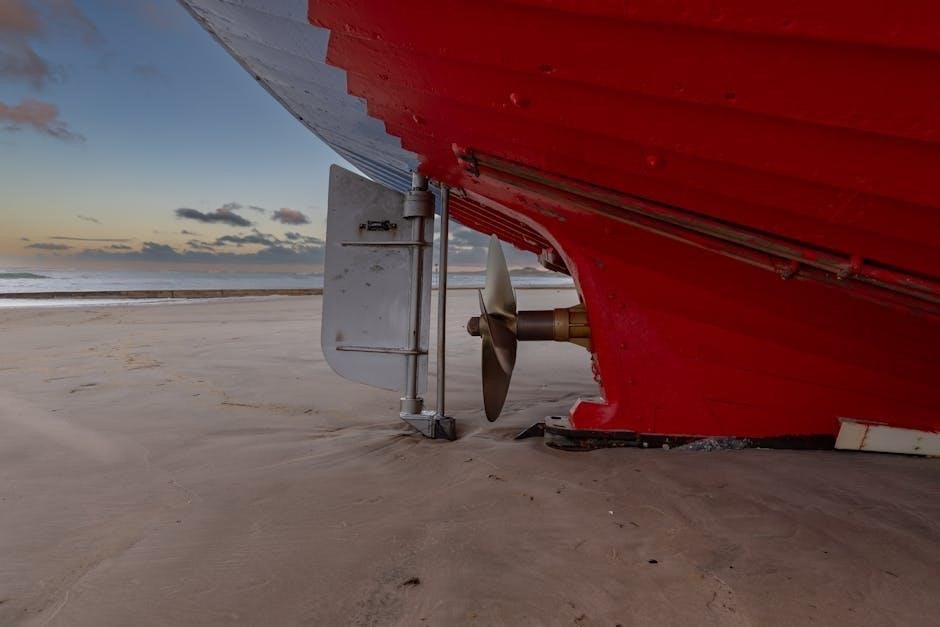
Foot-operated propellers represent a less common‚ yet effective‚ method of manual propulsion‚ utilizing leg power to turn a propeller and drive a vessel forward. These systems typically involve pedals connected to a driveshaft linked to the propeller. This allows the operator to propel the boat while maintaining a seated position‚ potentially reducing fatigue over longer distances compared to constant paddling or rowing.
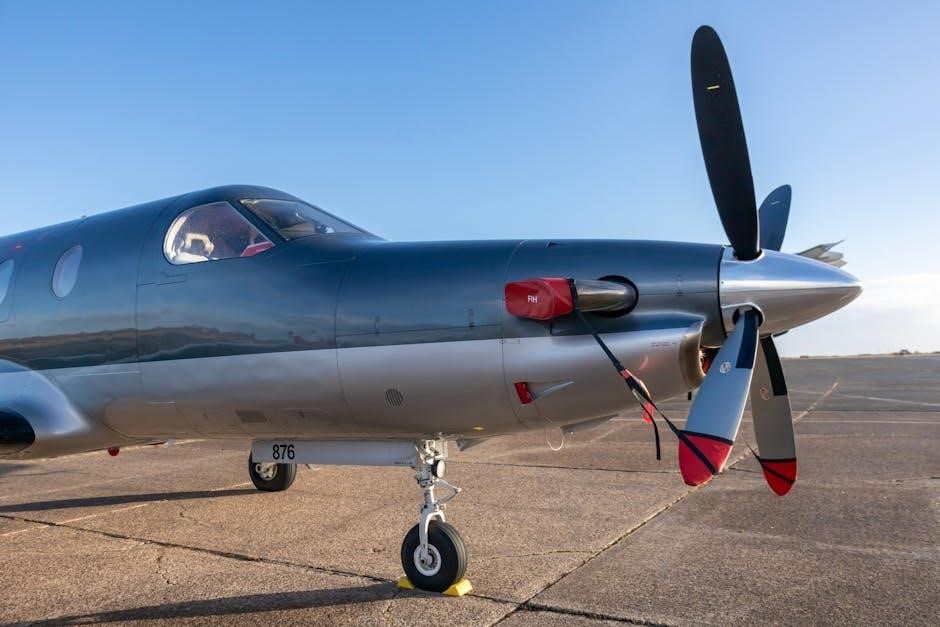
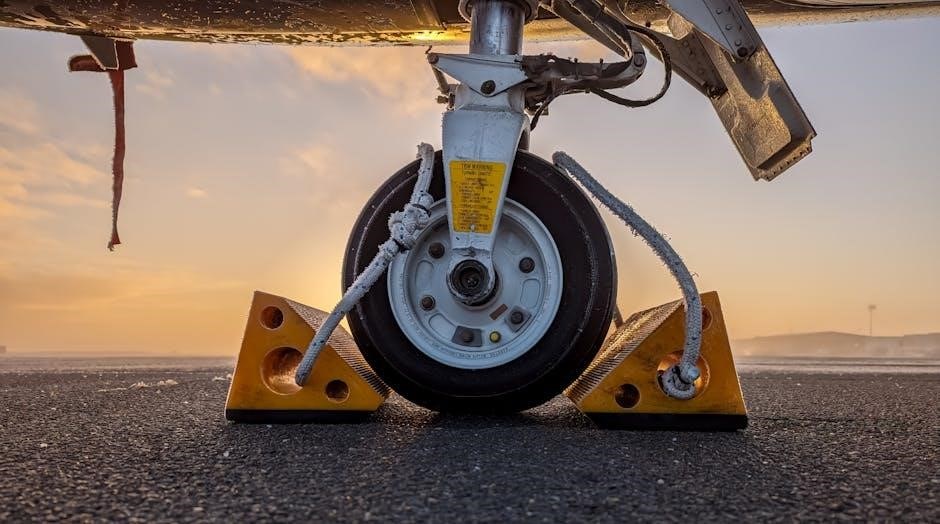
Historically‚ foot-propelled systems found application in specialized watercraft and‚ notably‚ as a safety mechanism in aviation. The Civil Aeronautics Administration mandated their installation on certain aircraft to prevent accidental propeller reversal.
While less prevalent in recreational boating today‚ foot-propelled systems offer a unique alternative‚ particularly for individuals seeking a different physical challenge or those with limited upper body strength. Efficiency depends on gear ratios and propeller design.
Legal Requirements and Regulations
Canadian regulations mandate specific safety equipment‚ including anchors and appropriately sized cable/rope‚ alongside a functional manual propelling device on vessels under 20 meters.
Canadian Boating License Requirements
Obtaining a Canadian boating license‚ often through MyBoatCard.com‚ is crucial for legally operating any powered vessel‚ but understanding the regulations surrounding manual propelling devices is equally important. While a license isn’t always required for vessels propelled solely by oars or paddles (depending on engine size‚ if any)‚ operators are still responsible for knowing the rules.
Specifically‚ operators must understand the requirements for carrying a manual propelling device as safety equipment. Even if not initially requiring a license‚ a vessel must possess a functional paddle or oars if it has an engine‚ ensuring maneuverability in case of mechanical failure. This is a core safety principle emphasized in Canadian boating education.
Furthermore‚ operators need to be aware of anchor requirements linked to vessel length‚ and how a manual propelling device can assist in anchor deployment and retrieval. Proper knowledge of these regulations‚ alongside safe boating practices‚ is vital for responsible navigation.
Vessel Size and Anchor Requirements
Canadian regulations dictate specific anchor requirements based on vessel length‚ directly impacting the need for a readily available manual propelling device. Vessels under 20 meters are required to carry an anchor connected to a sufficient length of cable‚ rope‚ or – crucially – a manual propelling device itself can sometimes fulfill part of this requirement.
The length of cable or rope needed (15m‚ 30m‚ or 50m) correlates with the vessel’s size. A paddle or oars can be used to position the vessel favorably for anchor deployment‚ and to retrieve it if necessary‚ acting as a vital secondary tool. This is particularly important in situations where motorized assistance is unavailable or unreliable.
Understanding these interconnected regulations – vessel size‚ anchor requirements‚ and the role of a manual propelling device – is fundamental for safe and compliant boating within Canadian waters. Proper preparation ensures a secure and enjoyable experience.
Safety Considerations for Manual Propelling Devices
Prior to each trip‚ ensure your manual propelling device is easily accessible‚ structurally sound‚ and capable of flotation if accidentally lost overboard for safety.
Pre-Trip Inspection Checklist
Before embarking on any voyage utilizing a manual propelling device‚ a thorough inspection is paramount for ensuring a safe and enjoyable experience. Begin by verifying the device is readily within easy reach‚ eliminating any potential delays during critical moments.
Next‚ meticulously examine the propelling device – whether oars‚ paddles‚ or a foot-operated system – for any signs of structural damage. Look for cracks‚ splinters‚ or weaknesses in the material that could compromise its integrity during use. Confirm secure connections between components‚ such as blades and shafts‚ to prevent separation while underway.
Crucially‚ assess the device’s ability to float. A lost paddle should remain buoyant‚ facilitating easy retrieval and preventing it from sinking. This simple check can significantly mitigate potential hazards. Finally‚ confirm the device interacts safely with your boat’s structure‚ avoiding any potential for damage during operation. A proactive checklist ensures preparedness and peace of mind.
Checking for Structural Integrity
A comprehensive assessment of structural integrity is vital before relying on a manual propelling device. Begin by carefully inspecting the entire length of the device for any visible cracks‚ splits‚ or warping in the material. Pay close attention to areas experiencing high stress‚ such as where the blade connects to the shaft or handle.
For oars‚ examine the oarlocks and gate attachments‚ ensuring they are secure and free from corrosion. Paddle shafts should be checked for bends or weaknesses‚ and the blades inspected for delamination or damage. Foot-operated propellers require scrutiny of the pedal mechanism and the propeller itself‚ verifying smooth operation and robust construction.
Any detected damage‚ no matter how minor it appears‚ should be addressed immediately. Compromised structural integrity can lead to device failure during use‚ potentially leaving you stranded or creating a safety hazard. Prioritize a sound‚ reliable device for a secure boating experience.
Ensuring Floatation
A critical safety feature of any manual propelling device is its ability to float if accidentally lost overboard. Losing a paddle or oar can quickly become a serious situation‚ especially in challenging conditions. Therefore‚ verifying positive buoyancy is paramount before each trip.
Many modern paddles and oars are constructed from lightweight materials that naturally float‚ but it’s not a guarantee. Test the device in water to confirm it remains afloat. If the device doesn’t float on its own‚ consider attaching a buoyant aid‚ such as a foam block or a dedicated flotation device‚ securely to the shaft.
This simple precaution can significantly improve retrieval chances‚ preventing the loss of essential propulsion and enhancing overall safety. Remember‚ a floating propelling device is a readily available tool‚ even after an accidental drop‚ contributing to a more secure and enjoyable boating experience.
Safe Usage Practices
Prior to embarking‚ ensure your manual propelling device is readily accessible and in optimal working condition. Keep it within easy reach‚ avoiding obstructions that could hinder quick deployment in an emergency. Familiarize yourself with proper rowing or paddling techniques to maximize efficiency and minimize strain.
Maintain a firm grip on the device‚ especially in choppy waters or when maneuvering. Be mindful of your surroundings‚ scanning for obstacles like rocks‚ other vessels‚ or swimmers. Avoid overexertion‚ taking regular breaks to prevent fatigue‚ which can impair judgment and coordination.
Always inform someone of your boating plans‚ including your route and expected return time. Wearing a properly fitted personal flotation device (PFD) is non-negotiable‚ regardless of your swimming ability. Responsible usage ensures a safe and enjoyable experience on the water.
Historical Context and Evolution
Early watercraft relied on simple oars and paddles; later‚ propeller control in aviation utilized manual devices to prevent accidental blade reversal.
Early Forms of Manual Propulsion
The genesis of manual propulsion is intrinsically linked to the earliest forms of water travel. Before the advent of engines‚ humans relied entirely on their physical strength and ingenuity to navigate waterways. Simple‚ yet effective‚ tools like single paddles were among the first methods employed‚ allowing individuals to maneuver canoes and rudimentary boats.
As civilizations progressed‚ so did the sophistication of these tools. The development of oars‚ often used in pairs and requiring oarlocks for efficient leverage‚ marked a significant advancement. These systems enabled larger vessels to be propelled with greater speed and control. Evidence suggests that both paddling and rowing were widespread in ancient Egypt‚ Greece‚ and Rome‚ serving vital roles in transportation‚ trade‚ and warfare.
These early methods weren’t merely about moving from point A to point B; they represented a fundamental understanding of hydrodynamics and the application of force to overcome resistance in water. The evolution from a single paddle to a coordinated rowing team demonstrates a continuous refinement of technique and technology‚ laying the groundwork for all subsequent marine propulsion systems.
Manual Propelling Devices in Aviation (Propeller Control)
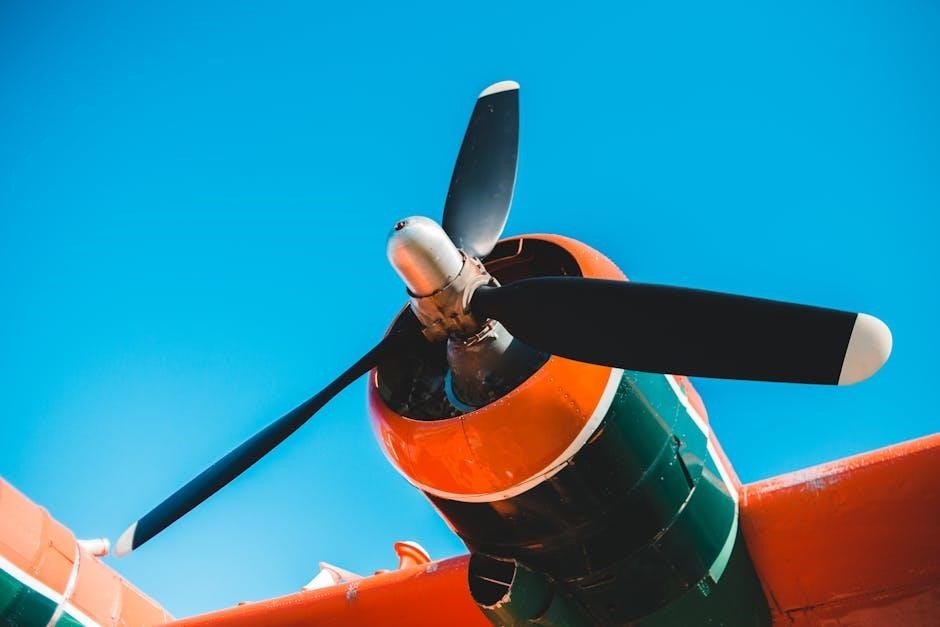
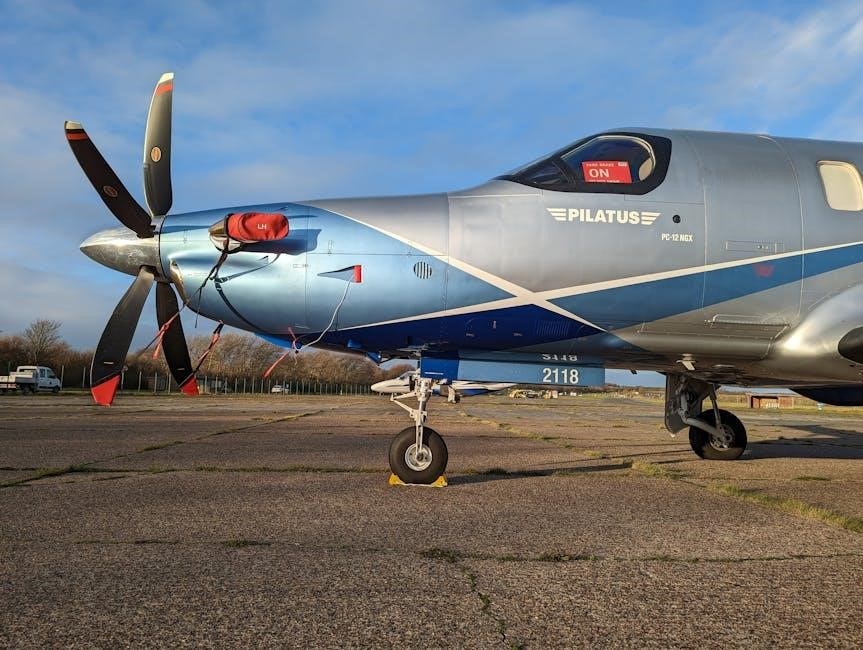
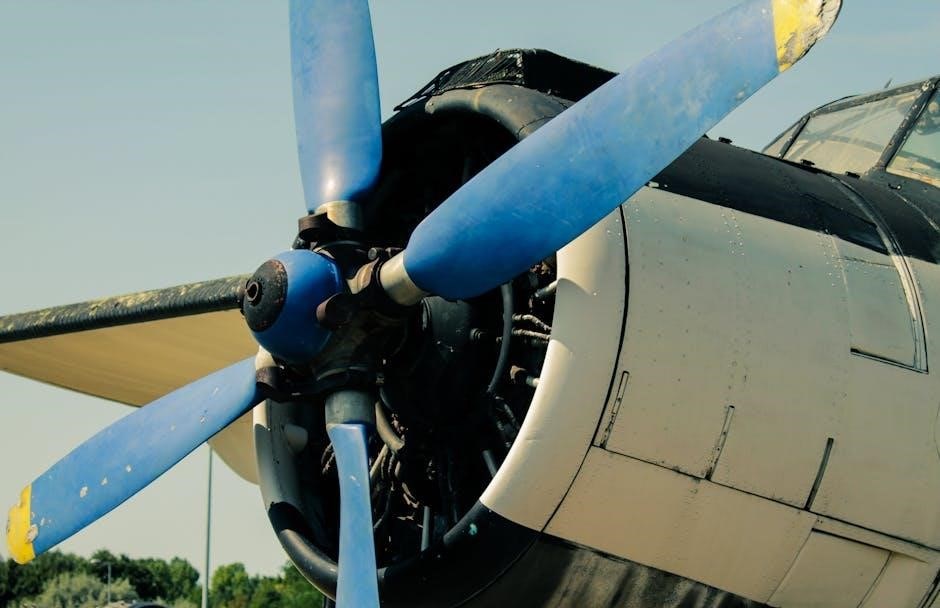
While primarily associated with watercraft‚ the concept of a manual propelling device extends to aviation‚ specifically in early aircraft propeller control systems. Historically‚ controlling propeller pitch – the angle of the blades – was crucial for managing engine performance and aircraft speed. Before sophisticated hydraulic or electronic systems‚ manual devices were employed to adjust this pitch.
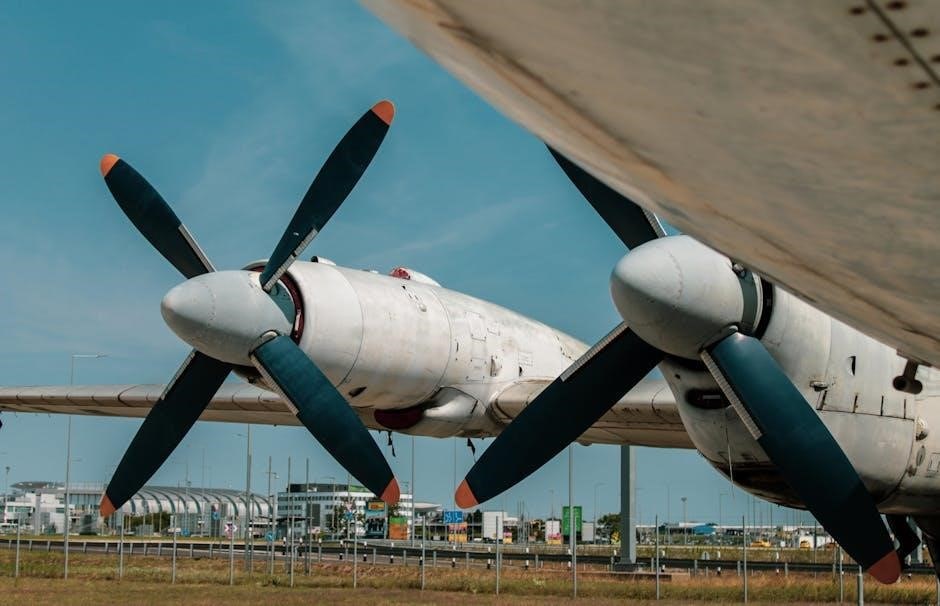
Following incidents‚ like those involving DC-6 and DC-6B aircraft‚ the Civil Aeronautics Administration mandated the installation of a manual override mechanism. This device allowed pilots to prevent accidental propeller reversal‚ a potentially catastrophic event. This system wasn’t about propelling the aircraft directly‚ but rather about controlling the existing propeller’s function.
Essentially‚ it acted as a safety feature‚ providing a direct‚ mechanical link between the pilot and the propeller’s pitch control. This illustrates how the principle of manual control – applying direct human input to a propelling mechanism – transcends different modes of transportation‚ prioritizing safety and operational control.
Materials and Construction
Common materials for manual propelling devices include wood‚ aluminum‚ and composites‚ chosen for strength‚ lightness‚ and durability to ensure efficient vessel movement.
Common Materials Used in Manufacturing
Wood remains a traditional choice for manual propelling devices‚ particularly oars and paddles‚ valued for its flexibility‚ shock absorption‚ and relatively low cost. However‚ wood requires regular maintenance – varnishing or painting – to prevent water damage and rot. Aluminum offers a lightweight and durable alternative‚ resisting corrosion and demanding minimal upkeep‚ making it suitable for frequent use in harsh marine environments.
Fiberglass and carbon fiber composites are increasingly popular due to their exceptional strength-to-weight ratio. These materials allow for the creation of incredibly light yet robust paddles and oars‚ enhancing performance and reducing fatigue for the operator. While more expensive upfront‚ their longevity and performance benefits often justify the investment. The selection of material directly impacts the device’s weight‚ durability‚ and overall efficiency in propelling a vessel. Manufacturers carefully consider these factors alongside cost and intended use when choosing appropriate materials.
Design Considerations for Efficiency
Blade shape and surface area are paramount in maximizing propulsion. Larger blades generally generate more force‚ but require greater effort. Optimized blade profiles‚ often incorporating curves and angles‚ minimize drag and enhance water capture. Shaft flex is another critical factor; a degree of flex in oars and paddles can improve power transfer and reduce strain on the user.
Ergonomic handle design ensures a comfortable and secure grip‚ minimizing fatigue during prolonged use. The length of the propelling device must be appropriately matched to the user’s height and the vessel’s width for optimal leverage. Furthermore‚ considering the weight distribution along the device’s length impacts its balance and maneuverability. Efficient designs prioritize minimizing weight while maintaining structural integrity‚ ultimately translating to less energy expenditure for the operator and improved boating performance.